The Library
Eighteen entries across three pillars. The complete diagnostic framework we use to assess, build, and maintain infrastructure for the fraction of the internet where performance is not optional.
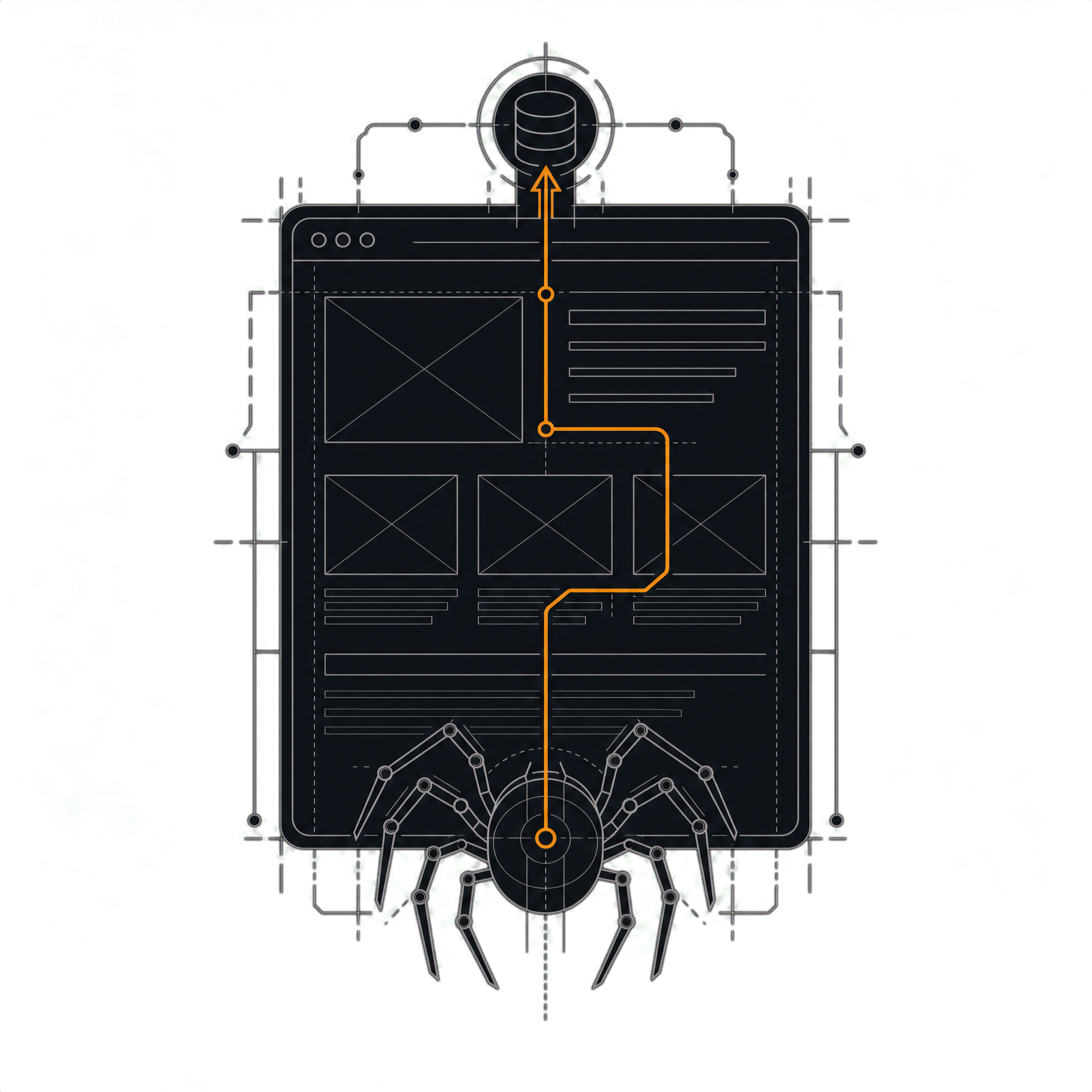
Visibility
Six entries covering the systems and practices that give you complete situational awareness of your infrastructure at all times. You cannot fix what you cannot see.
Real-Time Infrastructure Monitoring
Knowing the state of your infrastructure before your users do.
Alerting Architecture
The difference between a notification and an actionable alert.
Log Architecture and Retention
Logs are only useful if they exist when you need them.
Synthetic Performance Testing
Testing the experience your users have, not the one you assume.
Error Budgets and SLO Management
Quantifying acceptable failure before failure occurs.
Status Communication Architecture
What you tell users during an incident matters as much as the fix.
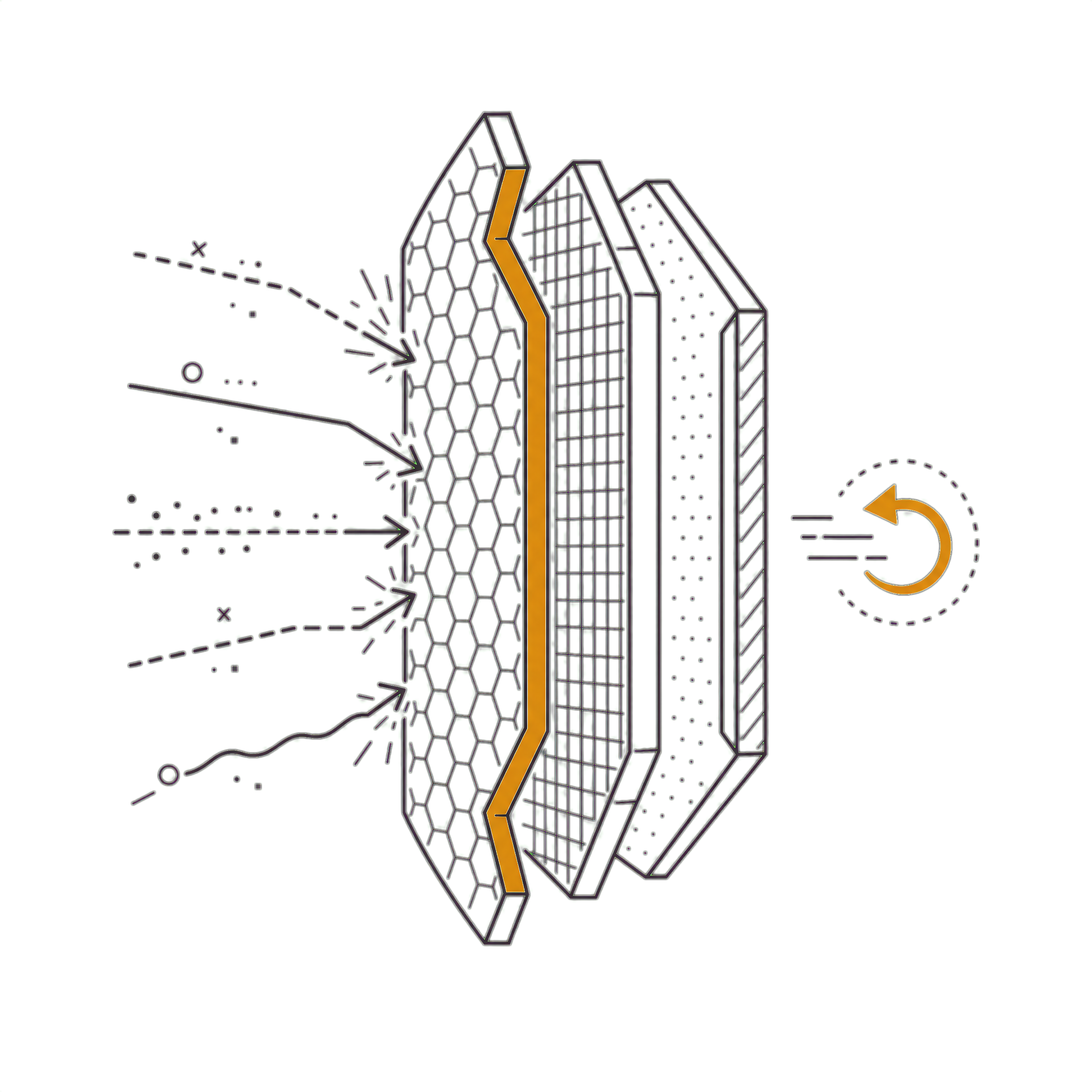
Security & Continuity
Six entries covering the layers of protection and recovery capability that determine whether an attack or failure becomes a crisis or a footnote.
Attack Surface Reduction
The infrastructure you do not expose cannot be exploited.
Web Application Firewall Configuration
A WAF misconfigured is often worse than no WAF at all.
Backup Architecture and Verification
A backup that has never been restored is not a backup.
Disaster Recovery Planning
The plan you write before the disaster is the only one that works.
TLS Certificate Management
Certificate expiry is the most preventable outage in hosting.
Access Control and Privilege Management
The principle of least privilege applied to infrastructure.
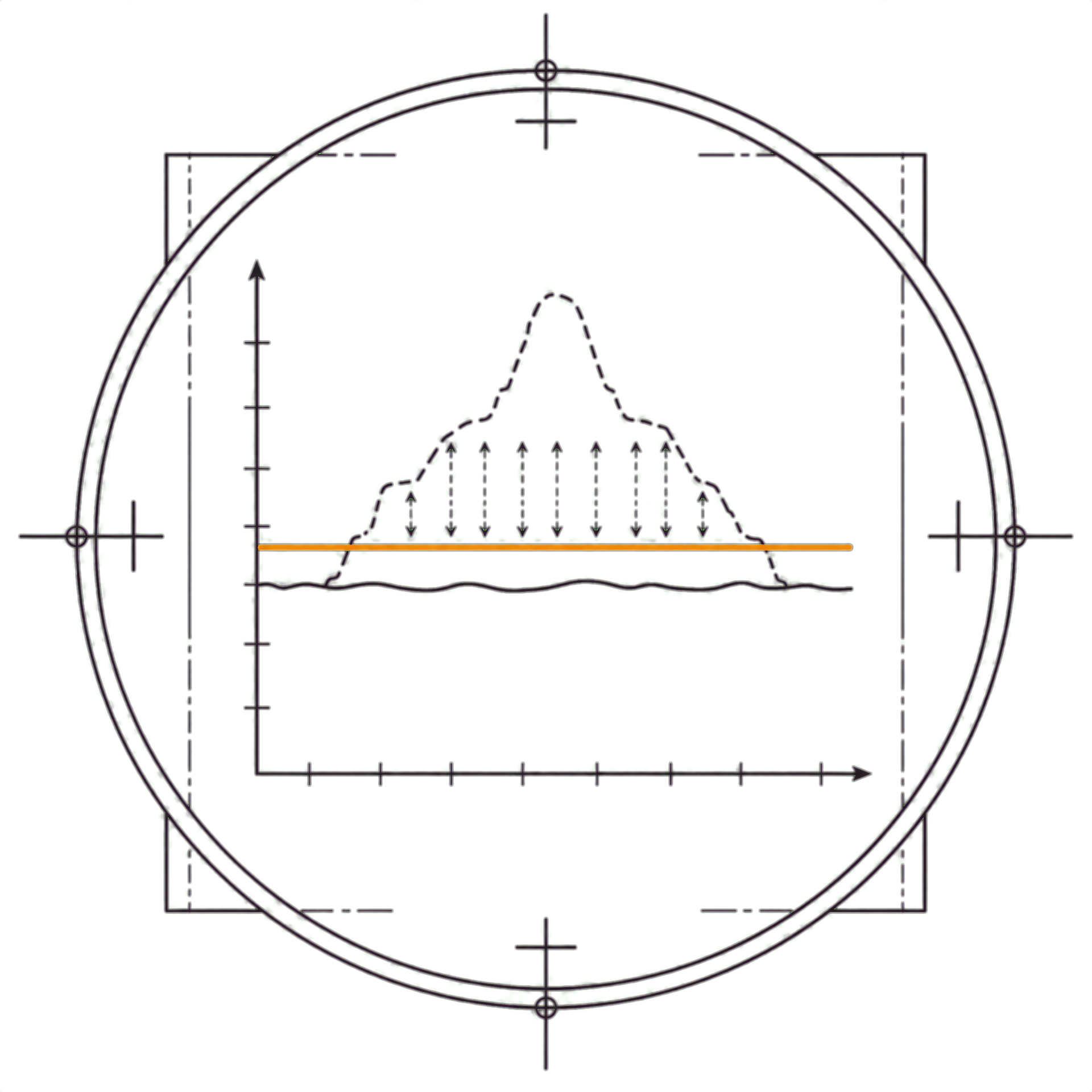
Reliability
Six entries covering the engineering decisions that determine whether your infrastructure holds when everything else is working perfectly.
Server Configuration and Tuning
The defaults are not optimised for your workload.
Caching Architecture
The layers of caching that determine whether your server survives traffic.
Database Optimisation
The query that runs fine at 100 users will not run fine at 10,000.
Load Handling and Autoscaling
Capacity that arrives after the traffic spike is not capacity.
TTFB Engineering
Time to first byte is the single most honest measure of hosting quality.
Capacity Planning
Planning for the traffic you want, not the traffic you have.
How does your infrastructure score against all eighteen entries?
The Foundation Audit is a complete diagnostic against every entry in the Library. No obligation. Complete transparency.
Request the Foundation Audit →